How Long Should a Wedding Photographer Stay? (Coverage Hours Explained)
How many hours of wedding photography coverage you actually need, from getting ready through the last dance. Real timelines from 500+ weddings I've shot.
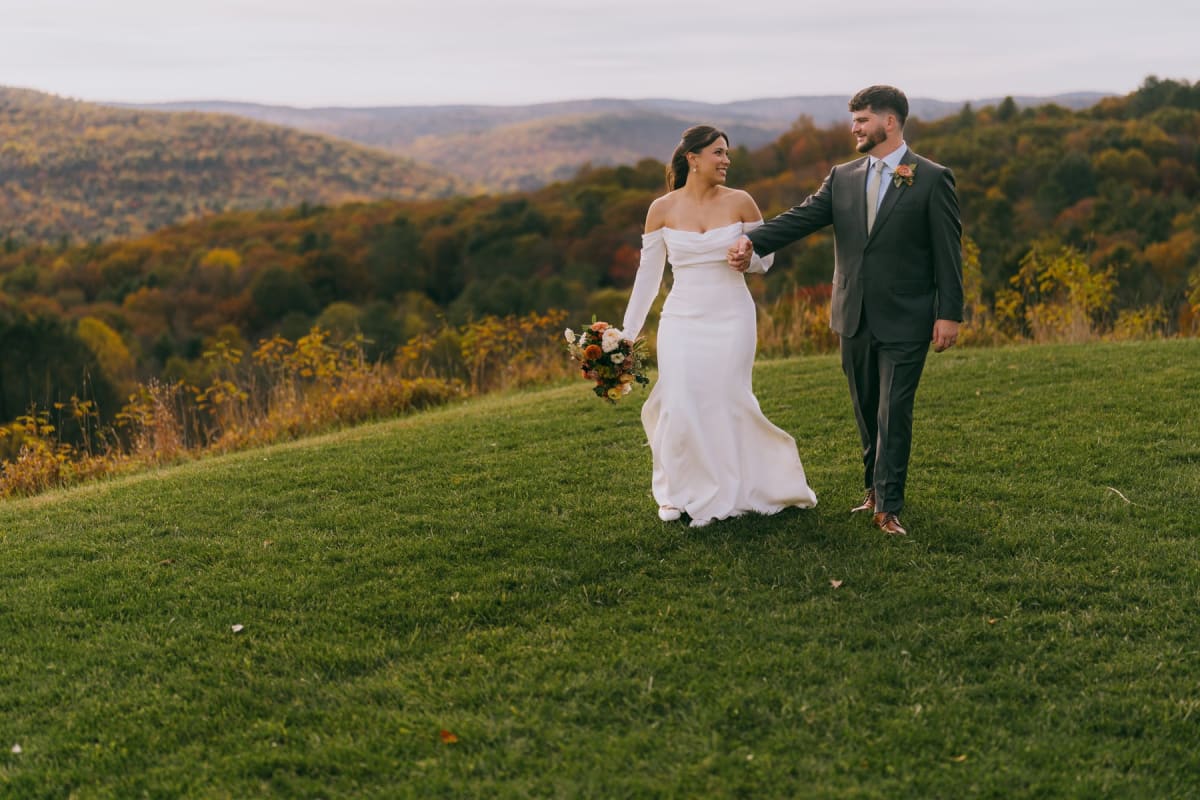
The answer depends on how much of your wedding day you want documented. Here's a practical framework based on what I've seen across 500+ weddings.
Coverage by Hour Count
4 Hours
Covers: ceremony, some portraits, beginning of reception. Misses: getting ready, most of cocktail hour, dancing.
Four hours works for courthouse weddings, elopements with a dinner, or very small ceremonies with a brief reception. It's the minimum for a meaningful gallery.
My half-day rate is $2,750 for 3-4 hours of coverage.
6 Hours
Covers: abbreviated getting ready, first look or pre-ceremony portraits, ceremony, cocktail hour, dinner, first dance, and early toasts. Misses: full getting-ready coverage and late-night dancing.
Six hours is workable for weddings with a streamlined timeline and fewer than 100 guests. The tradeoff is that either the beginning or the end of the day gets truncated.
7-8 Hours (Sweet Spot)
Covers: full getting-ready (both partners if using a second shooter), first look, wedding party portraits, family formals, ceremony, cocktail hour, reception entrance, first dance, toasts, parent dances, cake cutting, and 1-2 hours of dancing.
This is what most full-day packages provide and what most weddings need. My full-day rate of $4,500 includes 7 hours of coverage.
9-10 Hours
Covers: everything in the 7-8 hour block plus extensive getting-ready coverage, a longer portrait window, and late-night reception through the send-off.
You need 9-10 hours when: your ceremony starts early (2-3pm) and the reception runs past 10pm, you want full getting-ready coverage for both partners in separate locations, or your venue has a late end time and you don't want to miss the sparkler exit at 11pm.
10+ Hours
Full-day coverage from morning through midnight. Rarely necessary for most weddings, but useful for wedding weekends where the rehearsal dinner, morning preparations, and late-night after-party are all part of the story.
How to Calculate Your Hours
Start with your ceremony time. Work backward to when you want photographer coverage to begin (getting-ready, detail shots, first look). Work forward to when you want coverage to end (last dance, send-off, sparkler exit).
Example: Getting ready starts at noon. First look at 1:30. Ceremony at 4. Reception through 9pm send-off. That's 9 hours.
Most couples find they need 7-8 hours once they map it out.
What Gets Cut First
When coverage is shorter than the day requires, something gets dropped. In my experience, couples most regret missing:
Getting-ready photos. The nervous laughter, the dress going on, the boutonniere struggle, the quiet moment looking in the mirror. These set the tone for the gallery.
Late-night dancing. The dance floor at 10pm has a different energy than at 8pm. Shoes are off. Ties are loosened. People are having the best time. If your photographer leaves at 9pm, you miss this.
The send-off. Sparkler exits, grand exits, late-night portrait moments. If you've planned a specific departure, make sure your photographer's hours cover it.
Overtime Rates
Most photographers charge an hourly overtime rate for coverage beyond the base package. My overtime rate is built into the additional hours pricing.
Budget a buffer of 1 extra hour if you think the reception might run long. Wedding timelines rarely run short. Hiring your photographer for an additional hour at booking is always cheaper than an overtime surprise on the wedding day.