Wedding Photography Styles Explained: Documentary vs. Traditional vs. Editorial
Three wedding photography styles explained by a 25-year photographer. Documentary, traditional, and editorial compared with honest pros and cons.
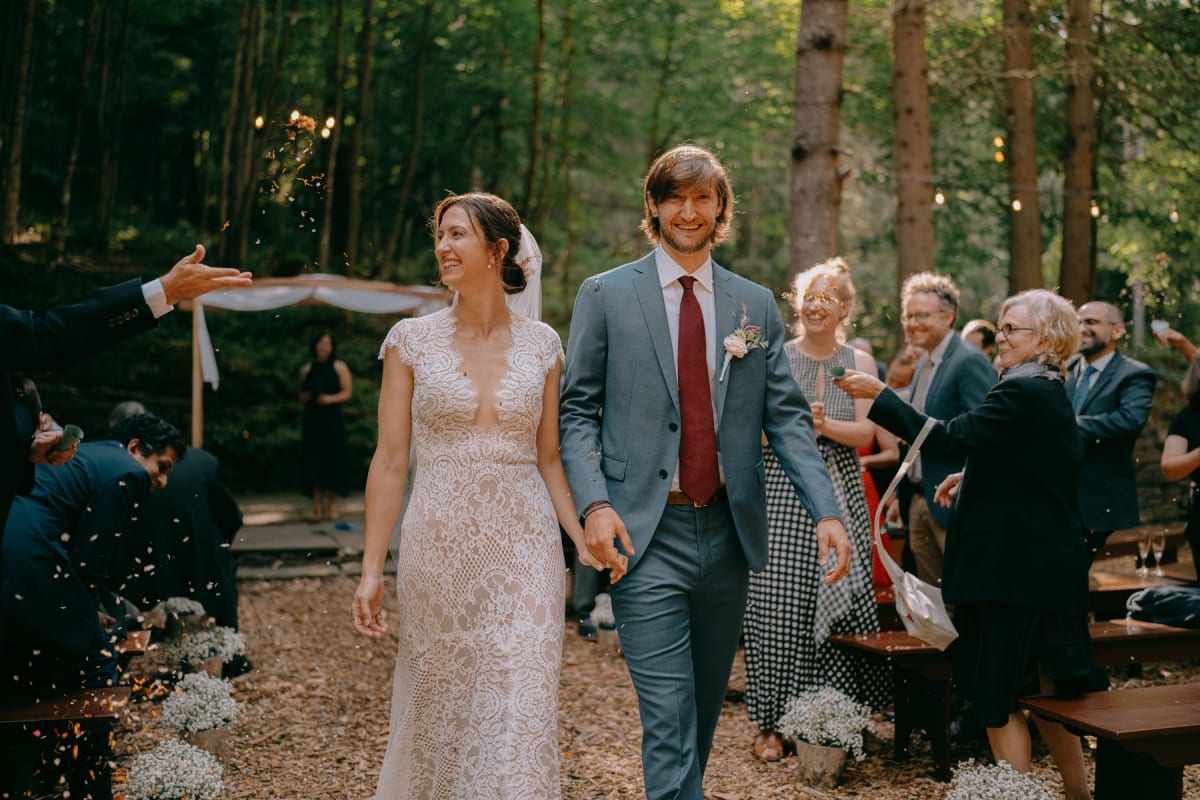
The three main approaches to wedding photography look, feel, and cost differently. Understanding the distinctions helps you hire the right photographer for what you actually want, instead of discovering 6 weeks later (or 6-8 weeks, since that's how long most photographers take to deliver) that the "documentary" photographer you hired was actually traditional with better branding.
I've been shooting documentary-style for 25 years. I'll be upfront about my bias, but I'll give you an honest assessment of all three approaches.
Documentary (Photojournalistic)
What It Is
The photographer observes and documents your wedding as it happens. Minimal direction, minimal posing, maximum presence. The photos show what your wedding looked and felt like in real time.
What It Looks Like
Candid reactions, genuine emotions, environmental context. Your grandmother crying during the ceremony, not posed for it afterward. Two friends sharing a private joke at the cocktail hour. The dance floor at midnight. The photos feel alive because the moments were alive when they were taken.
Family formals and a few directed portraits happen, but they take 30-45 minutes of the day, not 3 hours. The rest is observation.
Pros
Your photos look like your actual wedding, not a performance. You spend your day being present instead of posing. The unexpected moments (which are always the best ones) get captured. The gallery has emotional range and narrative depth.
Cons
You have less control over exactly how each photo looks. If you want every image to be a composed, directed frame, this isn't it. You need a photographer with significant experience, because anticipating unscripted moments is harder than directing them.
Who It's For
Couples who value authenticity over perfection. Introverts who'd rather not be directed. Couples who trust their photographer's eye and want to spend their day celebrating, not modeling.
I shoot documentary style because my background is in photojournalism. I'm trained to watch, anticipate, and capture what's real. After 500+ weddings, the unscripted moments are better than anything I could choreograph. More on my approach here.
Traditional (Posed/Classic)
What It Is
The photographer directs most of the key images. Formals are extensive and carefully composed. Portrait sessions involve specific poses, backdrops, and directions. The photographer orchestrates moments (walking together, laughing, looking at each other) to create consistent, polished results.
What It Looks Like
Clean, composed images with even lighting and deliberate posing. Every person is positioned intentionally. Group photos are symmetrical. Couple portraits follow established posing frameworks. The gallery looks polished and consistent.
Pros
Predictable results. Every key shot is covered because it's specifically directed. Family members who want traditional group photos will be satisfied. The couple and photographer have clear expectations.
Cons
Heavy posing takes time. Expect 90-120 minutes for portraits and formals. This time comes from somewhere: usually your cocktail hour or your afternoon. The photos can feel stiff if the photographer prioritizes composition over connection. Candid moments get less coverage when the photographer is focused on directed setups.
Who It's For
Couples who want every image carefully composed. Families who prioritize formal group photos. Couples who feel more comfortable with specific direction from their photographer.
Editorial (Fine Art)
What It Is
The photographer treats your wedding as a creative project, using your venue, attire, and details as elements in a visual composition. The emphasis is on artistic expression, dramatic lighting, fashion-influenced posing, and stylized framing. The photographer's creative vision drives the output.
What It Looks Like
Magazine-quality images with dramatic lighting, intentional backgrounds, and fashion-forward posing. The photos might be desaturated, heavily color-graded, or processed in a distinctive style. Editorial photographers often treat the venue as a set. At a place like Spillian, with its theatrical interiors, an editorial photographer would lean heavily into the production-design aspects.
Pros
The photos are visually striking and distinct. If you love a specific photographer's artistic style, editorial coverage produces portfolio-quality images. The creative investment shows in every frame.
Cons
The photographer's vision becomes the dominant element, sometimes more than your wedding itself. Editorial sessions take significant time (2-3 hours of directed portrait work is common). The couple's experience of the day is shaped around the photographer's creative needs. Authentic candid moments get less attention.
The other tradeoff: editorial styles are trend-dependent. Heavily processed, desaturated photos that look cutting-edge in 2026 might look dated in 2036. Documentary and traditional photos tend to age better because they're grounded in reality rather than processing trends.
Who It's For
Couples who are visually driven and want their wedding photos to look like a magazine spread. Couples who are comfortable being directed for extended periods and see the portrait session as a key part of the day.
The Blended Approach
Most photographers today blend elements of two or three styles. A photographer who calls themselves "documentary with editorial portraits" means they observe the day candidly but direct a 30-60 minute portrait session with more intentional posing and creative lighting.
The blend works well when the ratios make sense. A photographer who's 80% documentary and 20% directed portraits gives you authentic coverage with a polished portrait set. A photographer who's 80% editorial and 20% candid gives you an art project with a few spontaneous moments sprinkled in.
Ask what the ratio looks like. Look at full galleries, not just portfolio highlights. The highlights show a photographer's best 30 images. The full gallery shows what the other 500 look like.
How to Choose
Ask yourself two questions:
What do I want to remember? If you want to remember how the day felt, lean documentary. If you want to remember how it looked, lean editorial. If you want to remember who was there, lean traditional.
How do I want to spend my time? If you want minimal time posing, lean documentary. If you want an extensive portrait session, editorial or traditional. If you're somewhere in the middle, find a photographer who blends.
Then: look at full galleries, not Instagram highlights. Every photographer's Instagram looks good. The full gallery shows you what the actual day looks like through their lens.