Hudson Valley Wedding Catering: Plated, Family Style, Food Trucks, and What Actually Works
What wedding catering costs per person in the Hudson Valley. Plated vs family style vs food trucks compared by a photographer who's eaten at 500+ weddings.
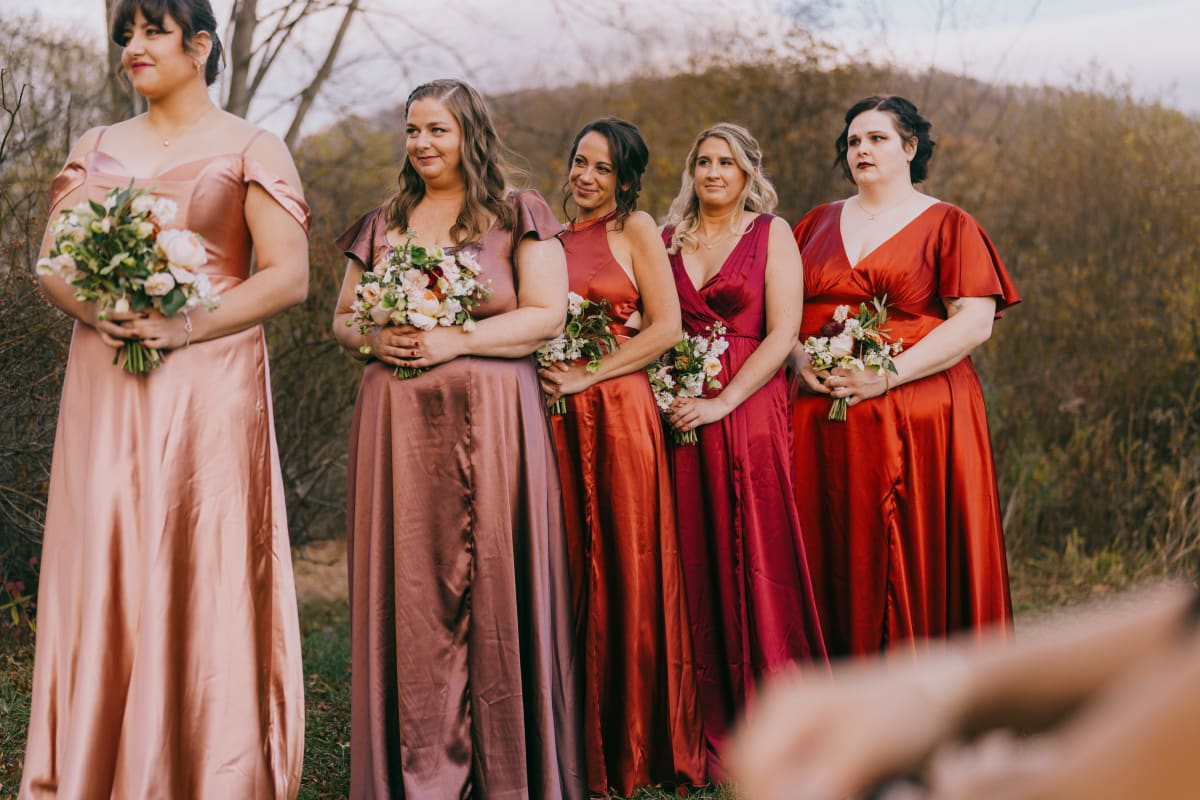
I've eaten at 500+ weddings over 25 years. That's not a brag. It's a sample size. I've had plated dinners that made the table go quiet because the food was that good. I've had buffets where the prime rib was excellent and the sides came from a can. I've had food truck tacos at a Catskills barn wedding that were better than most plated dinners I've been served.
The service style matters less than the quality of the caterer and how well they match your venue and guest count. Here's what I've seen work in the Hudson Valley.
The Service Styles
Plated Dinner
Each guest gets an individually plated entree at their seat. This is the most formal service style and the most expensive per person because it requires more kitchen staff and more coordination between the kitchen and the servers.
Cost in the Hudson Valley: $140 to $250 per person for food only. Add $40 to $75 per person for bar service. Tax and service charges add 25 to 30% on top.
When it works: Formal weddings. Venues with commercial kitchens. Guest counts where individual service is manageable (up to about 180; beyond that, plated service gets logistically complicated).
When it doesn't: Casual venue settings where plated service feels out of place. Extremely tight timelines where course service takes too long. Budget-conscious weddings where the per-person cost doesn't pencil out.
Photography note: Plated service means everyone sits at the same time, which gives me a clear window for table candids and toast photos. The structure is helpful for documentation.
Family Style
Platters of food are placed on each table and guests serve themselves. This is the sweet spot for most Hudson Valley weddings because it matches the regional culture of sharing meals around a table.
Cost in the Hudson Valley: $110 to $180 per person for food. About 15 to 20% less than comparable plated menus.
When it works: Most situations. Family style works at barns, farms, estates, and restaurants. The serving style is inherently communal, which loosens up guests who might otherwise sit stiffly through a plated course service.
When it doesn't: Very large weddings (200+) where replenishing platters across 25 tables is challenging. Situations where menu complexity requires individual plating for presentation.
Photography note: Family style creates active, engaged table scenes. Guests passing platters, serving each other, and talking over food. These produce better candid photos than a plated dinner where everyone is looking down at their plate.
Buffet
Guests serve themselves from a station or series of stations. More casual than plated or family style but offers variety.
Cost in the Hudson Valley: $90 to $150 per person. The savings come from reduced service staff and more efficient kitchen operations.
When it works: Casual weddings, larger guest counts, and situations where menu variety matters more than presentation. Buffets let guests choose what they want and go back for seconds.
When it doesn't: When the line backs up. A single buffet line for 150 guests creates a 30-minute wait that eats into your reception time. Double-sided stations or multiple stations solve this but require more space. Also problematic at venues where the buffet is far from some tables.
Food Trucks
One or more food trucks serve directly to guests. This is growing in the Hudson Valley and works better than most people expect.
Cost in the Hudson Valley: $25 to $55 per person for food. Dramatically cheaper than traditional catering, but you need to add costs for rentals (tables, chairs, place settings if not included), additional sides or appetizers, and dessert.
When it works: Casual barn and farm weddings. Outdoor receptions with room for the truck to park and serve. Guest counts under 120 where the single-line flow stays manageable. Couples who want a specific cuisine done well rather than a multi-course meal.
When it doesn't: Formal settings. Cold weather (guests standing outside waiting at a truck window in November is uncomfortable). Venues without vehicle access to the reception area.
Local options: Several food truck operators in the Hudson Valley cater weddings regularly. Pizza trucks, taco trucks, and BBQ trucks are the most common. Some couples bring in two trucks to offer variety. A pizza truck plus a taco truck for 100 guests runs $4,000 to $6,000 for food, well below traditional catering.
Stations and Grazing
Interactive food stations (carving station, pasta bar, raw bar, charcuterie display) give guests variety and movement. This style works well for cocktail-hour-style receptions or as a supplement to a main course.
Cost: Comparable to buffet pricing, sometimes higher for specialty stations like raw bar or sushi.
Hudson Valley Caterers Worth Knowing
Fig & Pig. Strong reputation for farm-to-table wedding catering across the region. They work at blank canvas venues regularly and bring their own equipment. Family style and plated.
Blue Mountain Bistro. Woodstock-area caterer with a loyal following. Farm-focused menus. Good for Catskills and mid-Hudson Valley venues.
Main Course. New Paltz-based caterer handling weddings throughout the region. They work at Blooming Hill Farm and other blank canvas venues. Flexible on style.
Agnes Devereux Catering. Based in the Hudson Valley. Handles weddings at estates, farms, and blank canvas venues.
Lola's Cafe & Catering. Locally rooted caterer in the region. Works at properties throughout the Hudson Valley.
These are caterers I've worked alongside at multiple weddings. I'm recommending them because I've watched them execute under pressure, not because of any business arrangement.
The Hidden Costs
Service charges. Most caterers add 18 to 22% service charge on top of the per-person food and drink cost. This is not gratuity (though some caterers include gratuity in the service charge). Ask what the service charge covers and whether additional gratuity is expected.
Tax. New York State sales tax applies to catering. Combined state and local tax in the Hudson Valley runs about 8%. On a $20,000 catering bill, that's $1,600 you might not have budgeted.
Rentals not included. Some caterers include tableware (plates, flatware, glassware) in their per-person price. Others expect you to rent everything separately through a rental company. Confirm what's included.
Staffing minimums. Caterers charge for a minimum number of staff. If your guest count drops but you've already locked in staffing for 120 guests, you're paying for 120-guest-level service regardless.
Kitchen fees. At venues without a commercial kitchen, some caterers charge a kitchen setup fee ($500 to $1,500) for bringing in mobile kitchen equipment.
Tastings Before Booking
Book a tasting before signing a catering contract. You're committing $15,000 to $30,000 to a company. You should taste the food first.
Most caterers offer tastings for a fee ($100 to $300 for a couple, typically credited toward your booking if you sign). A few offer complimentary tastings for confirmed bookings. Either way, taste the actual menu items you're considering, not a separate tasting menu designed to impress.
Bring notes. Compare. If you're tasting three caterers over three weeks, your memory of the first one's salmon will be fuzzy by the time you taste the third one's salmon.
Dietary Considerations
Every wedding has guests with dietary restrictions. Your caterer should handle vegetarian, vegan, and gluten-free options without making it a separate conversation for each guest.
The best approach: build a menu with options that accommodate restrictions naturally. A family-style dinner with a protein, a vegetable dish, a grain or starch, and a salad gives most guests something to eat regardless of restrictions. Add a specific vegan or allergen-free entree for guests who need it.
Communicate dietary needs to your caterer at least two weeks before the wedding. The information comes from your RSVP cards, which should include a dietary restriction field.