When Family Opinions Take Over Your Wedding Planning: A Photographer's Perspective After 500 Weddings
After 500+ weddings, a photographer shares what happens when family opinions overtake wedding planning, and how to handle it without losing your mind.
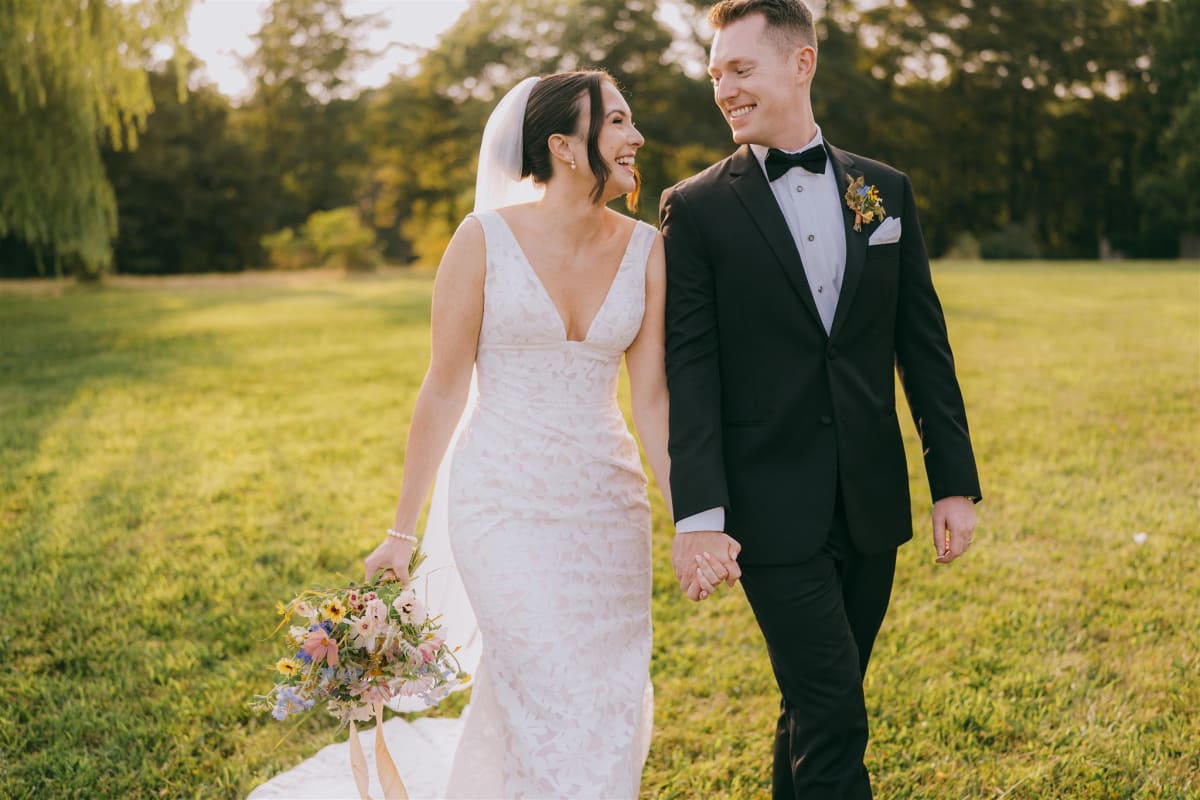
I've stood behind my camera at 500+ weddings. I've watched couples who planned their own wedding exactly the way they wanted, and I've watched couples whose parents controlled every decision from the venue to the veil.
I've seen both types of weddings produce beautiful days and miserable ones. The variable isn't who makes the decisions. It's whether the couple feels like the wedding is theirs.
This isn't a therapy column. I'm a photographer who's spent 25 years in close proximity to the family dynamics that shape weddings. Here's what I've observed and what I think helps.
The Pattern I See
The conversation usually starts early. A parent offers to pay for part of the wedding. That offer comes with opinions, sometimes spoken, sometimes implied. The guest list grows because your mom needs to invite her college roommate and your dad's business partner. The venue changes because your in-laws want somewhere "more appropriate." The menu shifts because somebody's uncle is very particular about the surf and turf.
Each concession feels small. The cumulative effect is a wedding that doesn't look or feel like the couple who's getting married.
I've photographed weddings where the couple told me, privately, that they barely recognized the event as their own. They went along to keep the peace, and by the time they realized how far things had drifted, changing course felt impossible. Those weddings have a specific energy. The couple is present physically but slightly detached. They're performing a version of their wedding rather than living it.
The photos from those weddings tell the story. The candid moments between the couple feel tense. The genuine smiles happen in small pockets, often when they're alone for portraits. The posed family photos have a particular stiffness.
The Other Pattern
I've also photographed weddings where the couple drew clear lines early. They accepted financial help with gratitude and set expectations about decision-making authority. They listened to opinions, incorporated what felt right, and declined what didn't.
These weddings have a different energy. The couple is relaxed. The decisions in the room reflect their taste. When the band plays a specific song, it's their song. When the flowers are arranged a certain way, it's because one of them cares about flowers and made that choice. The photos show it. Relaxed couples produce better candid moments because their guard is down.
What I Tell Couples When They Ask
I'm a photographer. I'm not a family counselor. But couples ask me for advice about family dynamics more often than you'd expect because I'm a neutral party who's seen it all.
Here's what I say:
Whoever pays does not automatically get veto power. Money and control are not the same contract. A generous financial contribution deserves gratitude and consideration. It does not entitle someone to redesign your wedding. If a financial gift comes with strings, you need to know what those strings are before you accept.
Have the conversation about boundaries before the first check clears. "Thank you so much. We want to make sure we're on the same page about what this gift means for decision-making." That sentence prevents months of assumption-based conflict.
Pick two or three things that are non-negotiable for you and your partner. Maybe it's the venue. Maybe it's the music. Maybe it's keeping the guest list under 100. Know which hills you'll defend, and let the smaller stuff go. You can't fight every battle and stay sane through an 8-month planning process.
Not every opinion requires a response. Your aunt thinks you should have a traditional ceremony. Noted. Your father-in-law has strong feelings about the seating chart. Acknowledged. Letting someone express an opinion and then quietly doing what you intended is a skill worth developing.
The Guest List Problem
The guest list is where most family conflicts land because it's the most concrete expression of competing values. You want 80 people. Your parents want 150. That difference isn't just about chairs and catering costs. It's about who the wedding is for.
I've shot 80-person weddings where every guest was personally significant to the couple. The room was full of people who knew each other, cared about the couple, and were emotionally invested in the day. Those weddings feel warm and connected. The photos show it in how guests interact with each other and with the couple.
I've also shot 200-person weddings where the couple knew about 120 of the guests. The other 80 were parents' colleagues, family friends the couple hadn't seen in a decade, and political invitations. Those weddings feel different. There's a social formality that distances the couple from the event. The couple is hosting a party for people who are strangers to them.
Neither is wrong. But the couple should make that choice knowingly, not discover it after the invitations are mailed.
When to Push Back, When to Let Go
My litmus test, developed from watching 500+ of these situations play out: if the change doesn't affect how you'll feel during the ceremony or reception, let it go. If it does, hold firm.
Your mother wants specific flowers at the ceremony? Let it go. Flowers look beautiful for 20 minutes and then you stop noticing them. Your father wants to invite 30 people you don't know? That changes the feel of the room. Worth a conversation.
Your in-laws want a specific first dance song? If you don't care about the song, let them have it. If that song means something to you and your partner, keep yours.
The small concessions cost you nothing and earn goodwill. The big concessions reshape your wedding. Know the difference.
A Specific Scenario I've Seen Too Many Times
The couple wants a small, casual wedding at a Catskills venue. The parents want a formal event at a big hotel. The compromise becomes a medium-sized wedding at a venue nobody loves, with a guest list that's too big for the couple and too small for the parents. Everyone is mildly disappointed. Nobody got what they wanted.
The better approach: if your visions are fundamentally incompatible, have a direct conversation about it. Maybe the parents host a separate celebration (a brunch, a party at their home) for the people they want to celebrate with, and the wedding stays the way you planned it. I've seen this work well. The couple gets their wedding. The parents get their party. Everyone's happy, and neither event compromises the other.
What This Means for Your Photos
I bring all of this up because it affects my job. I photograph what's in front of me. When the couple is relaxed and the wedding feels like theirs, the photos reflect that. When the couple is tense and the event feels like someone else's production, I can still deliver good work, but the candid moments tell a different story.
The best wedding photos come from couples who are present and engaged in their own day. Everything that supports that presence, including healthy family boundaries, shows up in the images.